Jan 20, 2026
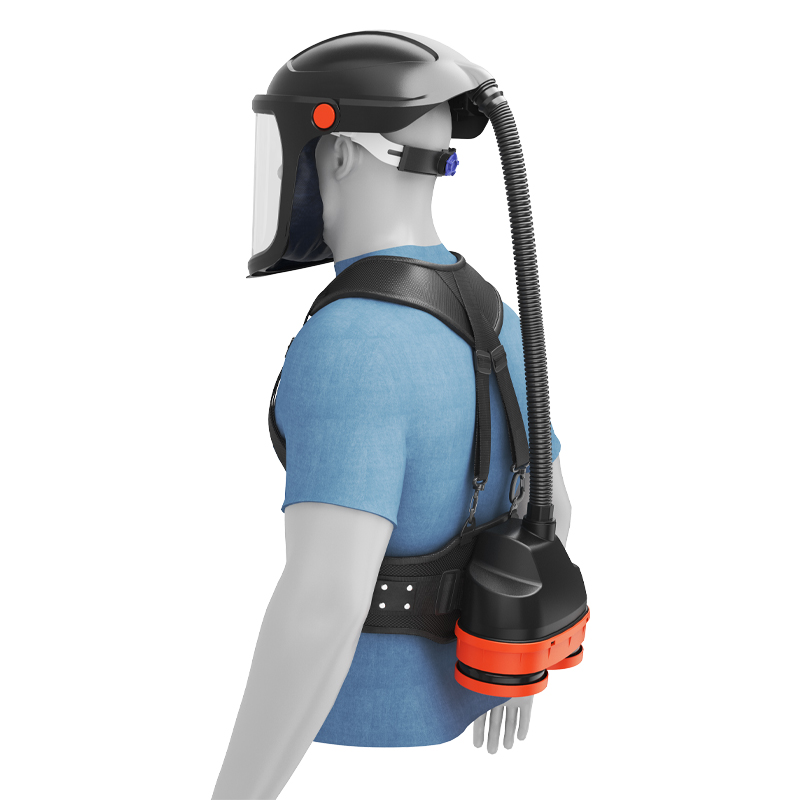
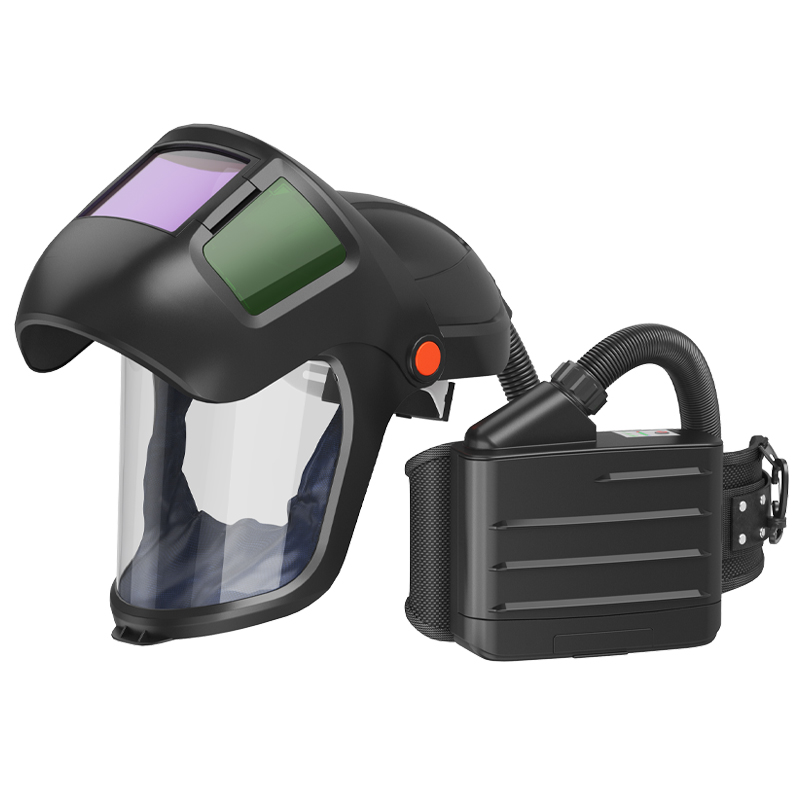
Prace rozbiórkowe wiążą się ze złożonymi i zmiennymi warunkami. Od burzenia ścian starych budynków po demontaż obiektów przemysłowych, zanieczyszczenia takie jak pył, szkodliwe gazy i lotne związki organiczne (LZO) są wszechobecne, co stawia pracownikom niezwykle wysokie wymagania w zakresie ochrony dróg oddechowych. respirator zasilany bateryjnie Stały się podstawowym sprzętem ochronnym podczas prac rozbiórkowych ze względu na zalety w postaci ochrony nadciśnieniowej i niskiego obciążenia oddechowego. Jednak nie wszystkie respiratory PAPR nadają się do wszystkich scenariuszy; wybór odpowiedniego typu jest kluczowy dla zbudowania solidnej linii obrony dla bezpieczeństwa układu oddechowego. W porównaniu z tradycyjnymi respiratorami podciśnieniowymi, respiratory PAPR aktywnie dostarczają powietrze za pomocą wentylatora elektrycznego, co nie tylko zmniejsza zmęczenie oddechowe podczas intensywnych operacji, ale także zapobiega przedostawaniu się zanieczyszczeń do środowiska nadciśnieniowego wewnątrz maski, znacząco poprawiając niezawodność ochrony. Do ogólnych prac rozbiórkowych generujących pył preferowane są maski PAPR z filtrem cząstek stałych. Tego typu prace zazwyczaj obejmują rozbiórkę betonu, muru, drewna i innych elementów, gdzie głównym zanieczyszczeniem jest pył respirabilny – zwłaszcza drobne cząstki PM2,5. Długotrwałe wdychanie może łatwo wywołać pylicę płuc. Wybierając model, należy stosować wysokowydajne filtry cząstek stałych, a maskę można dobrać w oparciu o potrzeby w zakresie elastyczności operacyjnej. W przypadku prac na otwartej przestrzeni, takich jak zwykłe rozbiórki ścian i podłóg, bardziej odpowiednie są maski PAPR z dopływem powietrza. Nie wymagają one testu dopasowania do twarzy, zapewniają dużą elastyczność i mogą również zapewniać ochronę przed uderzeniami głowy. W wąskich przestrzeniach roboczych o ekstremalnie wysokim stężeniu pyłu zaleca się stosowanie szczelnie przylegających, pełnotwarzowych masek PAPR, o minimalnym przepływie powietrza nie mniejszym niż 95 l/min, tworzących szczelne uszczelnienie na twarzy, zapobiegając przedostawaniu się pyłu przez szczeliny. Do prac rozbiórkowych z udziałem szkodliwych gazów wymagane są filtrujące respiratory PAPR. Podczas rozbiórki starych budynków, z farb i powłok uwalniane są lotne związki organiczne, takie jak formaldehyd i benzen, natomiast demontaż obiektów przemysłowych może powodować uwalnianie się toksycznych gazów, takich jak amoniak i chlor. W takich przypadkach pojedynczy filtr cząstek stałych PAPR nie spełnia wymagań dotyczących ochrony. Należy stosować podwójne elementy filtrujące (cząstki stałe + gaz/para), precyzyjnie dobierając je w zależności od rodzaju zanieczyszczeń: wkłady z węglem aktywnym do par organicznych oraz filtry adsorpcyjne do gazów kwaśnych. W takich sytuacjach preferowane są szczelnie przylegające respiratory PAPR z nadciśnieniem. W połączeniu z wymuszonym dopływem powietrza, nie tylko skutecznie filtrują one szkodliwe gazy, ale także redukują pozostałości zanieczyszczeń wewnątrz maski dzięki ciągłemu dopływowi powietrza, jednocześnie eliminując ryzyko zatrucia spowodowanego nieszczelnością maski. W szczególnych scenariuszach wymagany jest celowy dobór dedykowanych luźno dopasowane respiratory oczyszczające powietrzeRozbiórka elementów zawierających azbest jest operacją wysokiego ryzyka – wdychanie włókien azbestu powoduje nieodwracalne uszkodzenie płuc. Należy stosować respiratory PAPR zgodne z normami ochrony przed azbestem, w połączeniu z wysokowydajnymi filtrami HEPA. Dodatkowo, należy stosować konstrukcje kapturowe, aby zapobiec wyciekaniu włókien z powodu niewłaściwego noszenia ściśle przylegających masek. Jednocześnie kaptur należy stosować z odzieżą ochronną przeciwchemiczną, aby zapewnić ochronę całego ciała. W przypadku rozbiórki w przestrzeniach zamkniętych, takich jak piwnice i szyby rurowe, należy najpierw sprawdzić poziom tlenu. Jeśli stężenie tlenu nie jest mniejsze niż 19% (środowisko nienarażone na bezpośrednie niebezpieczeństwo zatrucia), można stosować przenośne, nadciśnieniowe respiratory PAPR z systemami wentylacji wymuszonej. W przypadku ryzyka niedoboru tlenu, zamiast respiratorów PAPR należy stosować respiratory zasilane sprężonym powietrzem. Wybór PAPR musi równoważyć zgodność z normami i praktyczność operacyjną. Należy również dostosować go do intensywności pracy: większość prac rozbiórkowych charakteryzuje się intensywnością od umiarkowanej do wysokiej, więc Respirator oczyszczający powietrze TH3 Są skuteczniejsze w redukcji obciążenia oddechowego, zapobiegając zdejmowaniu sprzętu ochronnego przez pracowników z powodu zmęczenia. Żywotność baterii musi odpowiadać czasowi pracy – w przypadku długotrwałych prac na zewnątrz zaleca się modele z wymiennymi bateriami, aby zapewnić nieprzerwaną ochronę. Ponadto elementy filtrujące należy wymieniać ściśle według harmonogramu: wkłady filtrujące gaz należy wymienić w ciągu 6 miesięcy od otwarcia lub natychmiast w przypadku pojawienia się zapachów lub wzrostu oporu, aby uniknąć awarii systemu ochrony. Na koniec należy zauważyć, że respiratory PAPR nie są uniwersalnym sprzętem ochronnym, a ich stosowanie musi opierać się na kompleksowej ocenie ryzyka. Przed rozpoczęciem prac rozbiórkowych należy przeprowadzić testy na miejscu, aby określić rodzaje zanieczyszczeń, ich stężenia i charakterystykę środowiskową, a następnie wybrać odpowiedni typ respiratora PAPR do danego scenariusza. Tylko poprzez prawidłowy dobór i użytkowanie respiratorów PAPR możemy zbudować niezawodną barierę dla zdrowia układu oddechowego podczas skomplikowanych prac rozbiórkowych, zapewniając równowagę między wydajnością operacyjną a bezpieczeństwem. Aby dowiedzieć się więcej, kliknij tutaj. www.newairsafety.com.
CZYTAJ WIĘCEJ




 Obsługiwana sieć IPv6