Dec 12, 2025
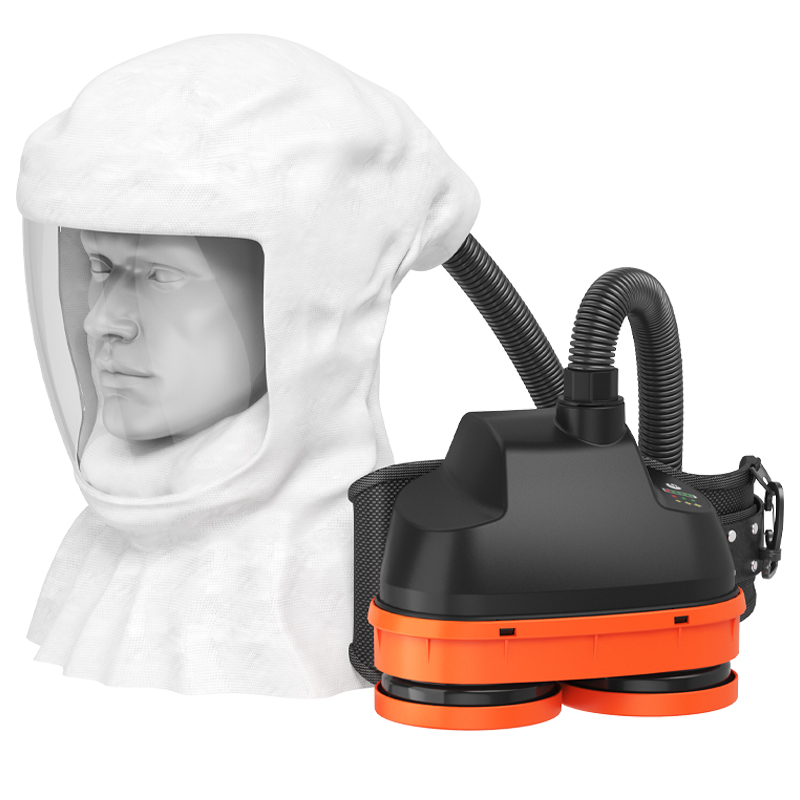
W lakiernictwie samochodowym połysk i gładkość powłoki lakierniczej są kluczowymi celami procesu, ale potencjalne ryzyko zanieczyszczeń zasługuje na większą uwagę. Od usuwania rdzy za pomocą podkładu, przez nakładanie koloru za pomocą lakieru bazowego, po uszczelnianie lakierem bezbarwnym, cały proces generuje podwójne zanieczyszczenie: z jednej strony cząstki mgły lakierniczej o średnicy 0,1-5 mikronów, które mogą być bezpośrednio wdychane i osadzać się w płucach; z drugiej strony opary organiczne ulatniające się z rozpuszczalników lakierniczych, takich jak toluen, ksylen, octan etylu i inne lotne związki organiczne (LZO), które nie tylko mają ostry zapach, ale również mogą uszkadzać układ nerwowy i oddechowy przy długotrwałej ekspozycji. Zwykłe maski przeciwpyłowe blokują jedynie duże cząstki, podczas gdy maski z węglem aktywnym mają ograniczoną zdolność adsorpcji i są podatne na nasycenie. Tylko wkłady z gazem toksycznym, dzięki ukierunkowanej konstrukcji filtracyjnej, mogą jednocześnie blokować cząstki i opary organiczne, stanowiąc „główną linię obrony” w ochronie lakieru samochodowego. Dzisiaj wyjaśnimy, dlaczego wkłady z toksycznym gazem są niezbędne do lakierowania samochodów i czy popularny wkład A2P3 jest rzeczywiście odpowiedni. Charakterystyka „zanieczyszczenia kompozytowego” lakieru samochodowego sprawia, że wkłady z toksycznym gazem nie są „opcjonalnym elementem wyposażenia”, lecz „niezbędną konfiguracją” – zwłaszcza w połączeniu z respirator zasilany bateryjnie (PAPR). Po pierwsze, synergistyczne zagrożenia związane z cząsteczkami mgły lakierniczej i oparami organicznymi są znacznie większe niż pojedyncze zanieczyszczenia – drobne cząstki działają jak „nośniki” oparów organicznych, wnikając głębiej do dróg oddechowych i nasilając infiltrację toksycznych substancji. Zwykły sprzęt ochronny nie jest w stanie poradzić sobie z obydwoma: jednowarstwowe maski przeciwpyłowe nie blokują oparów organicznych, podczas gdy czyste filtry par organicznych zostaną zatkane przez mgłę lakierniczą, co doprowadzi do gwałtownego spadku wydajności filtracji. Po drugie, ciągłość prac malarskich wymaga stabilnego i trwałego sprzętu ochronnego. Wkłady z gazami toksycznymi wykorzystują dwuwarstwową strukturę „wstępnej filtracji cząstek + adsorpcji chemicznej”: mgła lakiernicza jest najpierw przechwytywana przez warstwę wstępnej filtracji, aby zapobiec zatkaniu warstwy adsorpcyjnej, a węgiel aktywny i inne materiały adsorbujące skutecznie wychwytują opary organiczne, zapewniając stabilną ochronę przez wiele godzin ciągłej pracy w połączeniu z PAPR. Co ważniejsze, zgodne z przepisami wkłady z gazem toksycznym muszą posiadać profesjonalne certyfikaty, a ich wydajność filtracji i zakres ochrony muszą być rygorystycznie testowane, aby spełniać wymogi bezpieczeństwa i zgodności w przypadku prac malarskich. Podstawową logiką wyboru odpowiedniego wkładu z gazem toksycznym jest „dokładne dopasowanie do rodzaju i stężenia zanieczyszczeń”, co wymaga uprzedniego zrozumienia zasad kodowania modeli wkładów z gazem toksycznym. Model wkładu z gazem toksycznym zazwyczaj składa się z „kodu typu ochrony + poziomu ochrony”. Na przykład, popularna „Klasa A” oznacza ochronę przed oparami organicznymi, „Klasa P” oznacza ochronę przed cząstkami stałymi, a liczba po literze oznacza poziom ochrony (im wyższa liczba, tym wyższy poziom). Głównym zanieczyszczeniem w lakiernictwie samochodowym jest „opary organiczne + cząstki mgły lakierniczej”, dlatego wybór musi koncentrować się na kompozytowych typach ochrony, które obejmują zarówno „opary organiczne + cząstki stałe”, a nie na wkładach jednofunkcyjnych. Łącząc praktykę branżową z charakterystyką zanieczyszczeń, wkład A2P3 jest właśnie tym podstawowym modelem, który jest najbardziej odpowiedni do lakierowania samochodowego. Ponadto, konieczne są elastyczne dostosowania: w przypadku scenariuszy o wysokim stężeniu, takich jak zamknięte kabiny lakiernicze, należy dokonać modernizacji do A3P3; W przypadku natrysku farb wodorozcieńczalnych, ze względu na drobniejsze cząsteczki mgły lakierniczej, należy zapewnić poziom P3, ale podstawowe ramy ochrony kompozytów nadal przyjmują poziom A2P3 jako punkt odniesienia. Bezmyślny wybór wkładów z gazem toksycznym jednego typu lub o niskim stężeniu jest równoznaczny z „biernym narażeniem” na ryzyko zanieczyszczenia. Jako „złoty model” do lakierowania samochodów, szczególnie w połączeniu z system respiratora papr—Adaptowalność wkładu A2P3 wynika z jego precyzyjnego dopasowania do zanieczyszczeń lakierniczych. Przeanalizujmy najpierw podstawową wartość tego modelu: „A2” zapewnia ochronę przed oparami organicznymi o średnim stężeniu (popularne rozpuszczalniki lakiernicze, takie jak toluen, ksylen i octan etylu, mają temperaturę wrzenia powyżej 65°C, co w pełni pokrywa zakres ochrony A2), a „P3” zapewnia wysoką skuteczność przechwytywania cząstek (sprawność filtracji ≥99,95%, z prawie 100% skutecznością przechwytywania dla cząstek mgły lakierniczej o średnicy 0,1–5 mikronów). Jeśli chodzi o adaptowalność scenariuszy, niezależnie od tego, czy chodzi o lokalne poprawki lakiernicze w warsztatach samochodowych, lakierowanie całych pojazdów w małych warsztatach lakierniczych, czy też ogólne prace z użyciem popularnych lakierów olejowych lub wodnych, stężenie oparów organicznych jest przeważnie na średnim poziomie, a średnica cząstek mgły lakierniczej wynosi 0,3–5 mikronów, co idealnie pasuje do parametrów ochrony A2P3 i wydajności dopływu powietrza standardowego respiratora PAPR. W praktyce, dwuwarstwowa struktura „warstwy wstępnej filtracji + wysokowydajnej warstwy adsorpcyjnej” pozwala na wstępne przechwycenie mgły lakierniczej, zapobiegając zatykaniu warstwy adsorpcyjnej, co wydłuża ciągłą żywotność do 4-8 godzin, co w pełni zaspokaja dzienne zapotrzebowanie na lakierowanie. Jedyny wyjątek: podczas natryskiwania specjalistycznych farb rozpuszczalnikowych o wysokim stężeniu (takich jak importowane farby metaliczne o wysokiej zawartości części stałych) lub w przypadku pracy ciągłej w całkowicie zamkniętych przestrzeniach, należy dokonać modernizacji do A3P3, ale A2P3 pozostaje najlepszym wyborem w ponad 90% konwencjonalnych scenariuszy lakierniczych w połączeniu z PAPR. Po wybraniu podstawowego modelu A2P3, prawidłowe użytkowanie jest kluczowe dla maksymalizacji wartości ochrony. Należy skupić się na trzech kluczowych szczegółach: po pierwsze, na dopasowaniu sprzętu pomocniczego – musi być on używany z osobisty respirator oczyszczający powietrze lub hermetycznej maski przeciwgazowej i przejść test szczelności, aby upewnić się, że nie ma nieszczelności, unikając sytuacji „kwalifikowany wkład, ale nieskuteczna ochrona”; po drugie, ustanowienie mechanizmu wczesnego ostrzegania o nasyceniu – w przypadku wyczucia zapachu rozpuszczalnika lub znacznego wzrostu oporu oddychania należy natychmiast wymienić, nawet jeśli teoretyczny okres użytkowania nie został osiągnięty. Limit ciągłego użytkowania A2P3 w średnim stężeniu wynosi zazwyczaj nie więcej niż 8 godzin; po trzecie, standaryzacja przechowywania i konserwacji – okres przydatności nieotwartego A2P3 wynosi 3 lata; po otwarciu, jeśli nie jest używany, należy go szczelnie zamknąć i przechowywać nie dłużej niż 30 dni, chroniąc go przed wilgocią i bezpośrednim działaniem promieni słonecznych, aby zapobiec pogorszeniu wydajności adsorpcji. Podsumowując, sednem ochrony lakieru samochodowego jest „dokładne dopasowanie zanieczyszczeń kompozytowych”. Dzięki precyzyjnemu połączeniu ochrony „opary organiczne + wysokowydajne cząstki”, wkład A2P3 staje się najodpowiedniejszym modelem w większości scenariuszy. Na podstawie A2P3 i z możliwością elastycznej modernizacji w zależności od koncentracji scenariusza, nabój z toksycznym gazem może stać się prawdziwą „tarczą ochronną” dla malarzy.Jeśli chcesz dowiedzieć się więcej, kliknijwww.newairsafety.com.
CZYTAJ WIĘCEJ





 Obsługiwana sieć IPv6