zostaw wiadomość
Jeśli jesteś zainteresowany naszymi produktami i chcesz poznać więcej szczegółów, zostaw wiadomość tutaj, a my odpowiemy tak szybko, jak to możliwe.
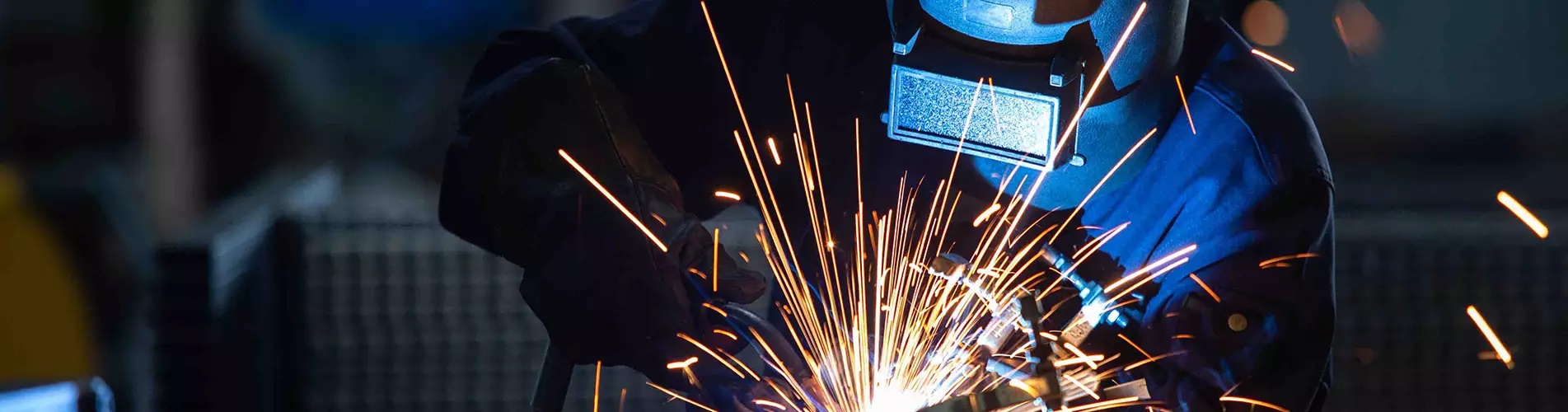
Wet polishing, cutting, grinding and other material processing operations are widely used in the stone, concrete and metal fabrication industries. Water is continuously applied at the processing contact point to cool tools, reduce friction and capture large dust particles, forming slurry at workstations. These work areas are damp and slippery, with mist and splashing residues everywhere. Many people mistakenly believe that water dust suppression eliminates dust completely, so additional papr blower unit protection is unnecessary. This is a common misunderstanding.
Wet dust suppression serves as an important engineering control measure. Water droplets bind larger dust particles, making them heavier so they settle rapidly. For sawing, drilling, sanding, polishing and other processes, it greatly reduces visible dust and cuts overall particulate release. This method helps lower dust explosion risks and reduces workers’ exposure to bulk dust. However, it cannot capture all hazardous particulates. Ultra-fine respirable crystalline silica particles are too small to be effectively trapped by water mist and remain suspended in the air.
Hidden health risks from residual fine dust persist even when no dust is visible. Interrupted water supply, changing airflow and dried slurry that turns back into dust can trigger unexpected dust exposure. This risk is especially prominent in wet polishing: slurry left on floors, tools and workpieces may dry out and re-release silica dust during cleaning or subsequent handling. Visual inspection alone cannot confirm whether the air is safe,reinforcing the need for continuous protection with a air papr.
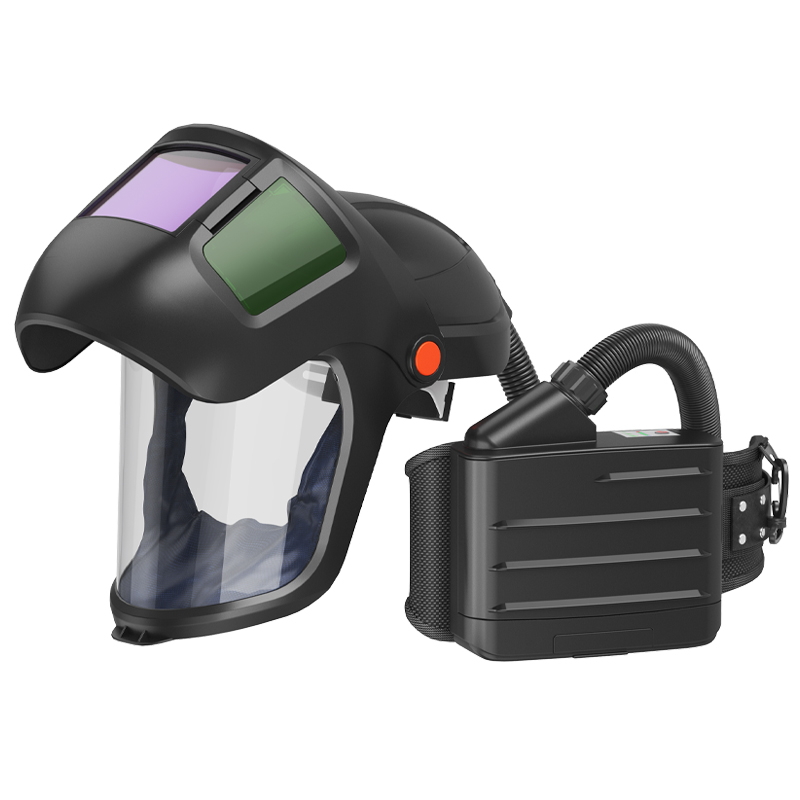
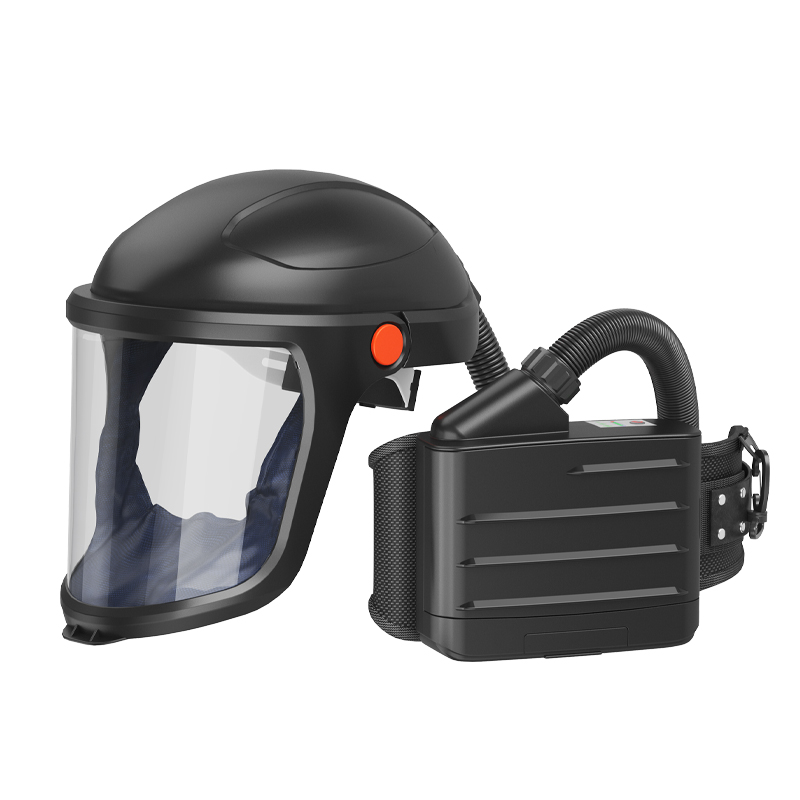
This is where a air-purifying respirators plays a vital protective role. A Powered Air-Purifying Respirator uses its built-in blower to draw in ambient air. The air passes through a high-efficiency filter cartridge before clean air is delivered into the headpiece to maintain positive pressure. Positive pressure minimises the inward penetration of contaminated air and provides reliable protection against residual fine dust. Compared with negative-pressure respirators, PAPR features lower breathing resistance, offering better comfort for workers during long, physically demanding polishing and grinding tasks.
Wet dust suppression and industrial papr power system act as two complementary layers of protection. Wet operations reduce dust generation at the source, while PAPR works as the final safeguard against unpredictable residual dust exposure. EHS standards often require this combined control strategy for processing silica-containing materials to meet occupational exposure limits. Neither can replace the other.
NEW AIR focuses on the R&D and performance tuning of complete PAPR systems. Its engineering team keeps optimising airflow matching, positive pressure stability and filter media performance. With strong system development capabilities, NEW AIR builds stable and reliable respiratory protection products to provide solid support for occupational health protection industries.If you want know more, please click www.newairsafety.com.



 Obsługiwana sieć IPv6